Sub 1 Delta E: Why Accurate Color Matters for DTF Printing on Apparel
At Dmandprints, we ensure every DTF print maintains color calibration to achieve a Delta E of 1 or less. This means your prints are as true-to-color as possible and meet industry standards for accuracy. Inaccurate color can ruin the quality of your apparel, but with Dmandprints' precision and attention to color standards, you can be confident your designs will look exactly how you intended. If you want the best results for your prints, always submit your artwork as AI, EPS, or PDF files in CMYK. Submitting web-based formats like JPG, PNG, or WebP (which use RGB) can lead to color variances greater than 6 Delta E after conversion — a noticeable and often unacceptable difference.
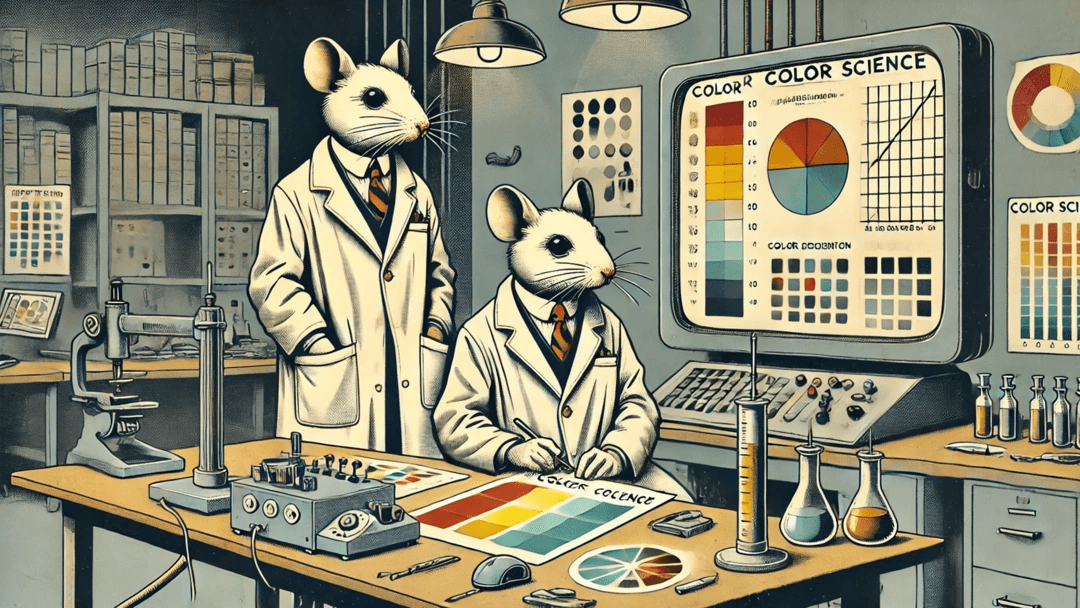
What is Sub 1 Delta E?
Delta E (ΔE) is a standardized measure of color difference. In simple terms, it tells you how far apart two colors are:
- ΔE of 0: Perfect match (colors are identical).
- ΔE of 1 or less: The difference is imperceptible to the human eye.
- ΔE above 3: The difference is noticeable and may affect quality.
At Dmandprints, we maintain Sub 1 Delta E on all our DTF printers. This commitment means that your colors remain accurate, consistent, and vibrant — no surprises when your prints arrive.
Why Does Sub 1 Delta E Matter in DTF Printing?
When printing designs for apparel, color accuracy is critical. DTF printing (Direct-to-Film) transfers intricate and colorful designs onto fabric. If the colors are off by more than a subtle amount, the final product can:
- Lose its impact: Branding colors may look inconsistent.
- Disappoint customers: Apparel may not match expectations.
- Reduce quality perception: Inaccurate colors suggest poor craftsmanship.
Maintaining a Delta E of 1 or less means that the colors in your design files match the colors on the final product. This level of precision ensures your customers get high-quality, accurate prints every time.
How to Achieve the Best Color Accuracy
File Types Matter: Use AI, EPS, or PDF in CMYK
To help us maintain Sub 1 Delta E, submit your artwork using:
- AI (Adobe Illustrator)
- EPS (Encapsulated PostScript)
- PDF (Portable Document Format)
These formats support the CMYK color space, which is designed for printing. They retain color accuracy far better than web-based formats.
Avoid Web-Based RGB Formats
Files like JPG, PNG, and WebP are designed for digital screens (which use the RGB color space). When these are converted to CMYK for printing, the color accuracy drops, often resulting in a Delta E variance greater than 6. This difference is highly visible and may lead to unsatisfactory prints.
Delta E Ranges of Perceptibility
To understand why Sub 1 Delta E is so valuable, here's a breakdown of how noticeable color differences are:
- ΔE = 0: Perfect match (no difference).
- ΔE < 1: Imperceptible difference.
- ΔE 1–2: Perceptible through close observation.
- ΔE 2–5: Noticeable difference at a glance.
- ΔE > 5: Clear and often unacceptable difference.
Dmandprints' commitment to Sub 1 Delta E means your prints fall within the imperceptible range — a mark of quality and professionalism.
Conclusion
When it comes to DTF printing for apparel, color accuracy isn't just a detail — it's a promise. At Dmandprints, we uphold Sub 1 Delta E standards by ensuring our printers are meticulously calibrated. To get the most out of our high-precision service, submit your artwork in AI, EPS, or PDF using the CMYK color space.
With Dmandprints, your colors stay true, your designs shine, and your customers stay happy.
What People Are Saying
FIVE STARS!
"With Dmandprints, I’ve increased my business by over 30%, while saving both time and money. Their quality, service, and attention to detail have been outstanding—highly recommended!"
Essential Tips for Quality DTF Printing
Our guides are perfect for both beginners and seasoned print professionals. Discover valuable tips for creating artwork, mastering heat press techniques, and more. These resources ensure you achieve the best quality final product.
What Makes Dmandprints Different
Loading...
Popular Guides
Loading...
Creating Images for DTFs
Loading...
Feature Articles
Loading...
Q & A
Common Questions
Here are some quick questions and answers we frequently get about DTF prints and DMandPrints. We've placed them right here on the home page for your convenience!
Do you really think you have the best prints in the world?!
Do you really think you have the best prints in the world?!
Mmm... we think they’re pretty great—and we work relentlessly to keep making them better. It’s a bold claim (maybe even a little cocky), so we’ll let the results speak for themselves.
Do you sell printed garments?
Do you sell printed garments?
No, we only sell the prints.
You can purchase your own garment and a heat press to apply the heat transfer prints to your own garments. Our customers are typically small, medium and large screen printers that want to offer heat transfers as an alternative to their standard screen printing process.
Is Gang Sheeting Necessary for Your Artwork?
Is Gang Sheeting Necessary for Your Artwork?
There is no need to gang sheet your artwork.
We charge only for the actual print area. Our image processing system automatically removes any unnecessary transparent space around your image to accurately calculate the print area for our per-square-inch pricing.
Gang sheeting not only costs you time but can also cost you money. We can only trim transparent space around the edges of your artwork. If you create a gang sheet yourself, you might introduce unprinted space that increases the total square inches, leading to higher costs.
Summary
The easiest and most cost-effective way to get your prints is to simply upload your artwork. We'll handle the gang sheeting for you, saving you both time and money.
Are DTF prints better than traditional screen printing?
Are DTF prints better than traditional screen printing?
It's not a matter of being better or worse; DTF (Direct to Film) printing is simply an alternative to traditional screen printing. Both methods have their own unique advantages.
DTF heat transfers feel similar to screen-printed shirts and can often be more durable. Additionally, DTF printing allows for unlimited colors in a single print, providing flexibility for intricate and colorful designs. On the other hand, screen printing is well-loved for its ability to produce vibrant, long-lasting prints, especially in bulk.
Choosing between the two methods depends on your specific needs and preferences.
What types of fabrics can DTF prints be applied to?
What types of fabrics can DTF prints be applied to?
DTF prints can be applied to a variety of fabrics, including cotton, polyester, blends, leather, and even some non-textile materials.
Are DTF prints durable?
Are DTF prints durable?
Yes, DTF prints are known for their durability and can withstand multiple washes without fading or peeling.
Do DTF prints feel heavy or stiff?
Do DTF prints feel heavy or stiff?
No, DTF prints have a soft feel and do not add significant weight or stiffness to the fabric.
Can DTF prints be used for detailed and colorful designs?
Can DTF prints be used for detailed and colorful designs?
Yes, DTF prints are excellent for detailed and colorful designs, providing vibrant and high-resolution results.
Is DTF printing cost-effective for small batches?
Is DTF printing cost-effective for small batches?
Yes, DTF printing is cost-effective for both small and large batches, making it ideal for custom and limited-run designs.
Can I create DTF prints at home?
Can I create DTF prints at home?
While it's possible with the right equipment, most people prefer to use professional services for higher quality and ease of use.